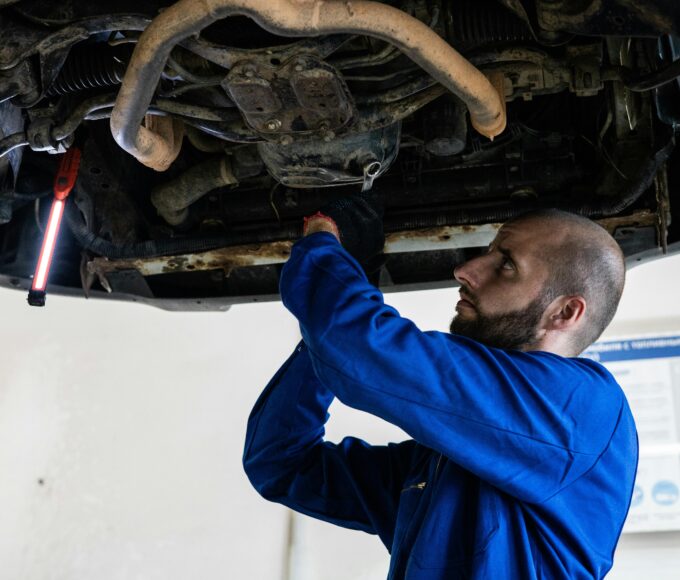


Vehicle lifts and hydraulic jacks are essential pieces of equipment for workshops that perform regular vehicle maintenance and mechanical repairs. They allow technicians to raise vehicles to a suitable working height, making it easier to inspect undercarriages, service suspension systems, replace exhaust components, and access engine or transmission parts. A two-post lift is a popular choice for general automotive servicing, while four-post lifts can be useful for vehicle inspections, storage, and certain maintenance tasks. Selecting the right lifting equipment depends on the types of vehicles being serviced, available workshop space, load capacity, and frequency of use.
Hydraulic jacks and appropriately rated jack stands are also valuable for workshops that do not have a permanent vehicle lift. They provide a practical solution for tyre changes, brake repairs, and other maintenance tasks that require raising part of a vehicle. However, vehicles should only be lifted on suitable surfaces and at manufacturer-designated lifting points. Never work beneath a vehicle supported only by a hydraulic jack. Investing in reliable lifting equipment and following proper operating procedures improves technician access, supports safer working conditions, and helps workshops complete servicing tasks more efficiently.
Diagnostic Tools for Accurate Vehicle Troubleshooting
Modern vehicles rely on complex electronic systems that control engine performance, braking, transmission operation, safety features, and other essential functions. Diagnostic equipment helps technicians identify faults more quickly and make informed repair decisions. An OBD-II scanner is a useful starting point for many workshops, allowing technicians to retrieve diagnostic trouble codes, view selected live data, and monitor certain vehicle systems. More advanced scanners may offer manufacturer-specific functions, system testing, service resets, and additional coverage for modern vehicles. Exploring Joels workshop equipments can help workshop owners review equipment options for their diagnostic and repair needs.
Using diagnostic tools effectively can reduce unnecessary part replacements and minimise the time spent searching for the cause of a problem. For example, a warning light may indicate an issue involving a sensor, wiring connection, or mechanical component rather than a single obvious failure. Technicians should interpret fault codes alongside symptoms, inspection results, wiring diagrams, and manufacturer service information rather than treating a code as definitive proof that a particular component has failed. Battery testers, multimeters, and suitable electrical testing equipment can provide additional information when investigating starting problems, charging faults, and electronic issues. With the right diagnostic equipment and trained staff, workshops can improve troubleshooting accuracy, reduce repeat repairs, and deliver more reliable service to customers.

Air Compressors and Pneumatic Workshop Tools
Air compressors provide a convenient source of compressed air for a variety of workshop applications, including operating pneumatic tools, inflating tyres, and powering suitable cleaning equipment. In busy vehicle servicing facilities, compressed air can support tasks such as loosening fasteners with impact wrenches and carrying out selected mechanical repairs more quickly. The appropriate compressor size depends on the combined air consumption of the tools being used, their required operating pressure, and how frequently they will run. Workshops should consider both the compressor’s airflow delivery and tank capacity rather than choosing equipment based on tank size alone.
Pneumatic impact wrenches, air ratchets, and other compatible tools can help reduce physical effort during repetitive tasks. However, they must be used with suitable fittings, hoses, pressure settings, and personal protective equipment. Fasteners that require a specific tightening specification should be finished with an appropriate calibrated torque wrench rather than relying on an impact tool to achieve the correct torque. Compressed air systems also require regular inspection, proper condensate drainage, and maintenance in accordance with the manufacturer’s instructions. Using compressed air to clean clothing or skin should be avoided because it can cause serious injury. When selected and maintained correctly, air compressors and pneumatic tools can improve workshop productivity while supporting consistent servicing procedures.
Wheel Service Equipment and Tyre Maintenance Tools
Tyres and wheels are among the most frequently serviced components in automotive workshops, making dedicated wheel service equipment an important investment. A tyre-changing machine helps technicians remove and install tyres with greater control, while a wheel balancing machine identifies weight distribution issues that can cause vibration during driving. These machines can reduce manual effort, improve service consistency, and help workshops handle a greater number of tyre-related jobs. When selecting equipment, consider the range of wheel diameters and widths it can accommodate, compatibility with different wheel designs, and the level of training required for safe operation.
A reliable tyre pressure gauge and inflation system are equally important because incorrect tyre pressure can affect handling, tyre wear, fuel efficiency, and braking performance. Workshops should also use appropriate wheel fastener tools and calibrated torque wrenches to tighten wheel nuts or bolts according to the vehicle manufacturer’s specifications. For vehicles equipped with tyre pressure monitoring systems, suitable diagnostic and servicing tools may be needed to inspect sensors, relearn system settings, or replace faulty components. Regular calibration, cleaning, and maintenance help keep wheel service equipment accurate and dependable. By investing in suitable tyre maintenance tools, workshops can provide more efficient wheel services while helping customers maintain vehicle safety and performance.
Workbenches, Hand Tools, and Workshop Safety Equipment
A well-equipped workshop requires more than large machinery. Quality hand tools, organised workbenches, storage cabinets, and appropriate safety equipment are essential for completing everyday servicing tasks accurately. Spanner sets, socket sets, screwdrivers, pliers, torque wrenches, pullers, and specialist automotive tools allow technicians to perform routine maintenance and repairs without relying on improvised methods. Choosing durable tools designed for professional use can improve reliability, while keeping frequently used equipment organised reduces delays and makes it easier to identify missing items.
A sturdy workbench provides a dedicated area for inspecting components, cleaning parts, and completing small repairs. Drawers, labelled bins, and wall-mounted tool boards help keep the workspace tidy and prevent fasteners or small components from being misplaced. Good lighting is particularly valuable when inspecting worn parts, examining electrical connections, or working in confined spaces. Workshops should also provide appropriate personal protective equipment, including safety glasses, gloves suitable for the task, protective footwear, and hearing protection where necessary. Fire extinguishers, first-aid supplies, suitable ventilation, and clearly marked emergency access routes are additional considerations. Regular equipment inspections and staff training help ensure tools and machinery remain safe to use. By combining dependable workshop equipment with organised storage and consistent safety practices, vehicle servicing businesses can improve productivity, reduce avoidable downtime, and deliver more dependable results for their customers.