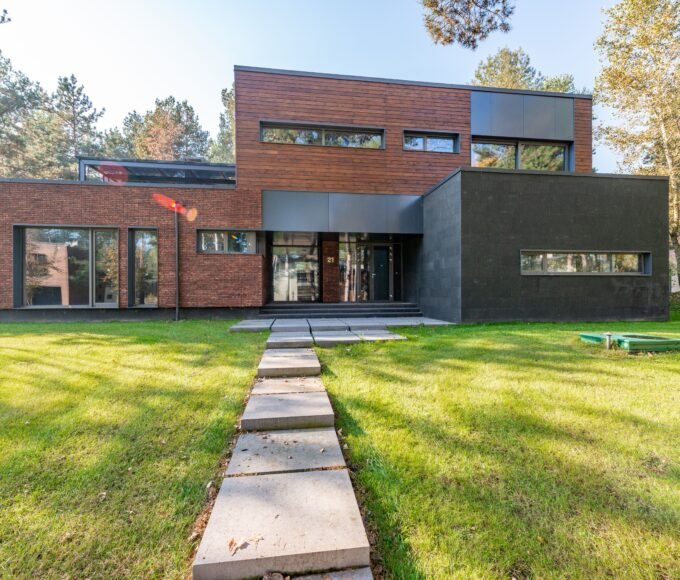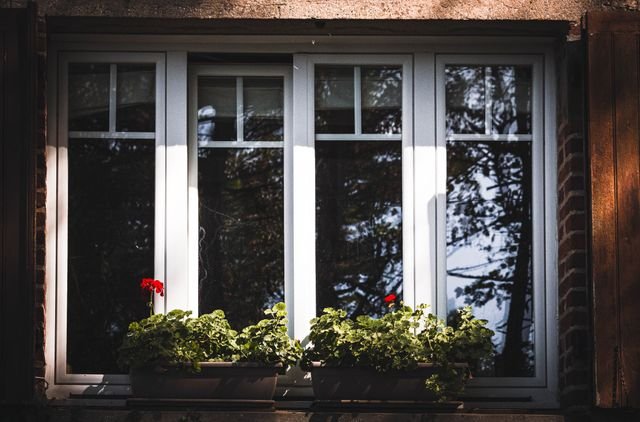


Pass a building in downtown Melbourne in the afternoon and you will notice the following thing: blinds drawn on the sunny side of the building, lights lit up in the offices despite a bright sunny day. Glass makes buildings look airy and modern, however, sometimes it causes exactly the discomfort that designers wanted to eliminate in the first place. Commercial window films provide an effective solution to heat, glare and privacy problems without changing the glass facade.
Why do Facades Exposed to Sunlight Turn into Overheated Areas?
Large windows let the sunshine into the building, but they also admit solar heat. On bright afternoons, the offices next to the windows may turn hot. Meanwhile, the inner parts of the same level will stay relatively cold and cause dissatisfaction among tenants.
In this case, air conditioners have to work extra hard to equalise the temperature. Commercial window film Melbourne reduces some of the solar heat passing through the glass, thus reducing the load on the system. Depending on the choice of film, glass, building orientation and equipment, the effect of the installation may vary.
Thus, conducting an assessment before installing window films would be reasonable. A specialist can determine which façades receive the strongest sunlight, the type of glass installed in the windows and locations where tenants have complained. This information will allow us to develop the specifications for the building, rather than select a ready-made film.
Glare is the Quiet Office Problem
Bright daylight reflected from computer screens complicates the work more than necessary. Workers squint, adjust their desks, pull down the blinds and turn on additional lights, thus making the building unable to utilise its daylight potential.
Film provides a good compromise. The glare gets softer, the temperature drops, but at the same time people are able to enjoy the view out of the window. Meetings held in meeting rooms with a full glass wall also get better because presentations are easier to read in the afternoon.
The reception and lobby are the other areas worth paying attention to. They usually have floor-to-ceiling glass and set the first impression about the building for all visitors. It is pleasant to come into a glare-free entrance rather than a bright and hot lobby.
Shopfronts and the Slow Fade of Stock
Retailers face a pretty common problem; it shows up on the shelves in the window. The sun and UV light have a way of gradually fading clothing, packaging, furniture and printed products in the windows. The resulting worn look often leads to discounted stock.
While UV-blocking film won’t stop the fading altogether, it can slow it down and keep the products visible from the street. And reducing glare is just as important; strong sun reflections can actually hide even a well-designed display from the passing shoppers.
If you like to add some personality to your shopfront, then decorative and printed films are worth a look. You can apply logos, patterns and even the opening hours to the glass itself; no need for permanent signage or big changes.
For hospitality venues, the issue is a bit different. Cafes and restaurants with big street-facing windows often struggle with customers squinting into the sun. But with film, you can make those window tables comfortable again, turning the most visible seats into the most popular ones in the venue, rather than the ones that end up getting avoided.
Privacy, Safety and Security Options
Different businesses have different needs, and there’s a ton of options out there:
Medical and legal offices tend to focus on keeping things private first and foremost. Meanwhile, ground-floor shops might be more concerned about safety and vandalism. Make sure to check the claims made about any security product, especially the ones that say they’ll keep your business safe from break-ins.
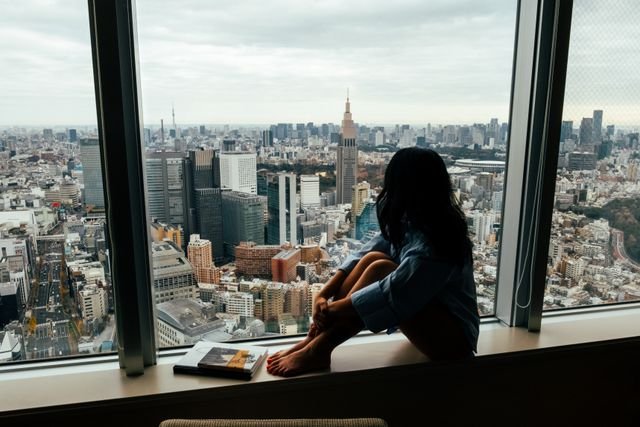
Rolling Out Film Across a Working Building
Installing film in a place that’s still got people working in it can be a bit of a challenge. That’s why a lot of commercial jobs are done when the staff are gone for the day or over the weekend. Working floor by floor helps the business keep running as normal.
You’ll need to get some approvals in place first:
Consistency is key here; you don’t want a patchwork of different tints and styles on the facade. It looks untidy and it’s a pain to deal with when tenants are all upgrading at different times.
Maintenance is pretty simple, but it does take a bit of planning. Window cleaners need to know which panes have got film on them, and they should use the right tools and cleaning products to avoid scratching the surface. Adding the film details to the building’s maintenance records can really help keep it looking its best for years to come.
Cost is a big part of the appeal, especially in older buildings where replacing the glazing would be a nightmare and a big expense. Film is never going to replace the benefits of new high-performance glass, but it can give your existing windows a bit of a boost without breaking the bank. Take a walk around the building on a sunny afternoon and see which desks are empty and which blinds stay closed; that’s where the film will really earn its keep.