
It can be frustrating to look after your teeth, brush every day, and still feel like your smile isn’t as bright as it used to be. For a lot of people, yellowing teeth can feel confusing because they associate discolouration with poor hygiene, when in reality the causes are often a bit more complicated than that.
If you’ve been wondering what’s going on, reading about the 6 common causes of yellow teeth can be a helpful starting point, because tooth colour can be affected by everything from daily habits to ageing, enamel thickness, diet, and even genetics. Brushing matters, of course, but it’s only one part of the bigger picture.
Your enamel changes over time
Teeth aren’t naturally paper-white, despite what whitening ads and heavily edited photos might suggest. The outer layer of each tooth is enamel, and underneath that sits dentin, which is naturally more yellow in tone. When enamel is thick and healthy, teeth can look brighter; when it becomes thinner or more translucent, the warmer colour underneath can show through more noticeably.
This can happen gradually with age, but it can also be influenced by things like acidic drinks, aggressive brushing, teeth grinding, or general wear. So, even if you’re brushing consistently, your teeth may still look more yellow simply because the structure of the tooth has changed over time.
Everyday food and drinks can leave their mark
Coffee, tea, red wine, cola, soy sauce, tomato-based sauces, curries, and strongly coloured foods can all contribute to staining, especially when they’re part of your regular routine. It’s not that you need to panic every time you have a morning coffee, but repeated exposure can slowly tint the surface of the teeth.
This is where habits make a difference. Rinsing with water after stain-heavy drinks, avoiding slow sipping over several hours, and keeping up with professional cleans can all help reduce the build-up. Still, some staining is stubborn and may not shift with brushing alone, particularly if it’s been developing for years.
Brushing technique matters more than people realise
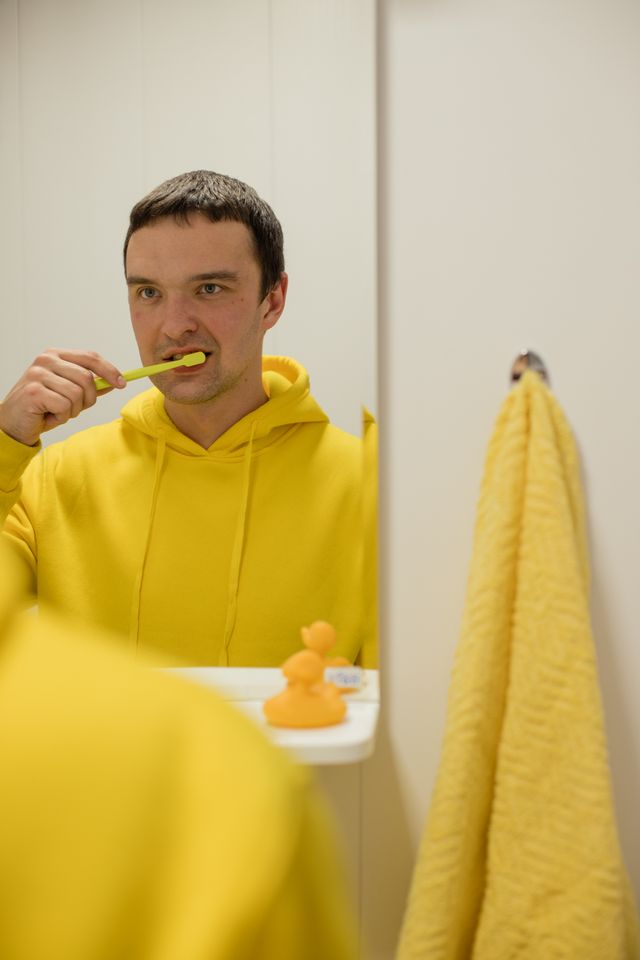
A lot of people brush regularly but not necessarily effectively. Some miss the same spots every time, especially around the gumline or behind the lower front teeth, while others brush too hard and wear down enamel or irritate their gums. Both issues can affect how teeth look and feel.
Using the right toothbrush, taking enough time, and being gentle but thorough can make a real difference. It’s also worth remembering that brushing immediately after acidic food or drink isn’t always ideal, because enamel can be temporarily softened. Giving your mouth a bit of time, or rinsing with water first, can be a better move.
Yellow teeth aren’t always a simple surface stain
Sometimes discolouration comes from inside the tooth rather than on the surface. Past trauma, certain medications, dental materials, developmental factors, or changes in the tooth’s internal structure can all affect colour. In those cases, whitening toothpaste or supermarket whitening kits may do very little, because they’re not addressing the actual cause.
That’s why it helps to have a dentist check what kind of discolouration you’re dealing with before spending money on whitening products. Surface stains, enamel thinning, and internal discolouration may all need different approaches.

A brighter smile starts with understanding the cause
The good news is that yellowing teeth are common, and in many cases there are practical ways to improve the appearance of your smile. The right option might be a professional clean, changes to daily habits, whitening treatment, enamel-friendly care, or simply a better understanding of what’s normal for your teeth.
Instead of blaming yourself or scrubbing harder, it’s worth finding out why the colour has changed in the first place. Once you know the cause, it becomes much easier to choose a safe and sensible way forward.