
Your bathtub is more than just a functional fixture in your bathroom; it’s a sanctuary for relaxation and self-care. Over time, wear and tear can take their toll on this essential element of your home. Cracks, stains, and dull finishes can transform your oasis into an eyesore. But how do you know when it’s time to consider restoration? Understanding the signs that indicate your bathtub needs some TLC is crucial for maintaining both its beauty and functionality. Let’s dive into what you should look out for before taking the plunge into restoration!
Common signs that your bathtub may need restoration
tubway bathtub renovation endure a lot over the years, and it’s not uncommon for them to show signs of wear. One major indicator is discoloration. If your once-pristine tub now has stubborn stains or yellowing, it might be time for restoration.
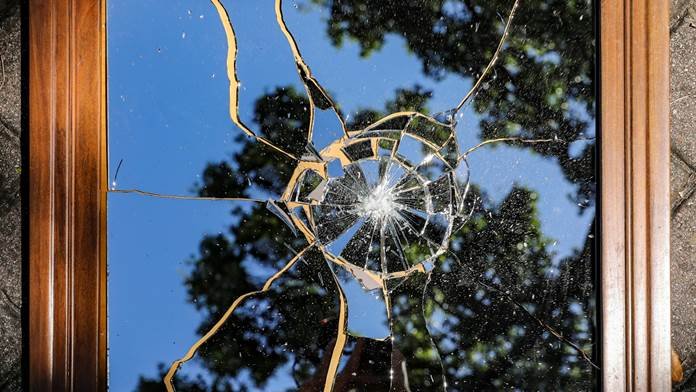
Cracks and chips are another clear warning sign. These imperfections can lead to leaks, causing further damage if left unaddressed. Inspect the surface closely; even minor flaws can signal a need for help.
You may also notice peeling paint or a dull finish that detracts from your bathroom’s appeal. A bathtub should shine and feel smooth when you touch it.
Don’t overlook persistent odors either. Foul smells could indicate mold growth beneath the surface, which requires immediate attention before worsening conditions arise. Stay vigilant about these signs to keep your bathing space in top shape!
Factors that contribute to bathtub wear and tear
Bathtubs face various challenges that lead to wear and tear over time. One major factor is water quality. Hard water, rich in minerals, can leave unsightly stains and buildup.
Another contributor is the frequency of use. A tub that’s used daily will naturally show signs of aging faster than one that’s seldom touched. The materials used in the bathtub also play a role; acrylic may chip while porcelain can crack.
Improper cleaning methods further exacerbate issues. Harsh chemicals or abrasive sponges might damage surfaces instead of preserving them.
Temperature fluctuations are yet another concern; extreme heat or cold can cause expansion and contraction, leading to cracks or leaks.
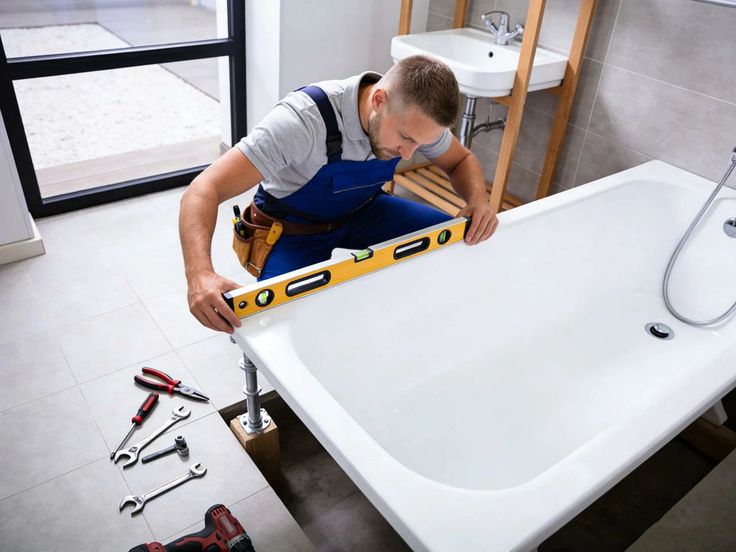
Poor installation affects longevity too. If not properly fitted, stress points develop where leaks commonly occur, accelerating deterioration.
The importance of addressing issues with your bathtub early on
Ignoring issues with your bathtub can lead to bigger headaches down the line. A small crack or discoloration might seem harmless at first, but these minor problems can escalate quickly.
When left untreated, water leaks can damage surrounding structures and lead to mold growth. This not only poses health risks but also increases repair costs significantly.
Addressing concerns early allows you to maintain a safe and functional space in your bathroom. Plus, it saves you from potential inconveniences of having an unusable tub during repairs.
Early intervention also means preserving the aesthetic appeal of your bathroom. A well-maintained tub enhances your home’s overall value and charm.
Taking action sooner rather than later ensures that you enjoy a relaxing bath without worries or unwanted surprises lurking beneath the surface. Your peace of mind is worth it!
Different methods of bathtub restoration
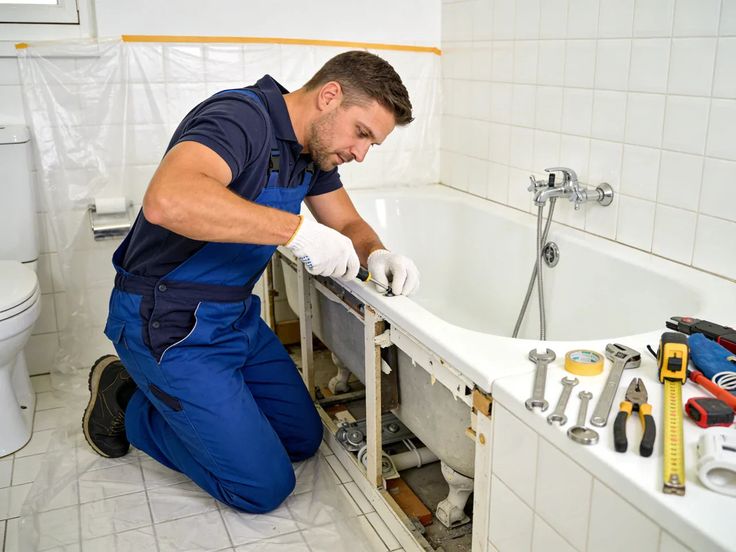
When it comes to restoring your bathtub, several methods can breathe new life into this essential fixture. One popular approach is refinishing, which involves applying a new layer of finish over the existing surface. This method can address scratches, stains, and discoloration while giving your tub a fresh look.
Another option is reglazing. This process removes the old glaze and replaces it with a durable coating that restores both appearance and functionality. It’s an excellent choice for older tubs showing significant wear but still have structural integrity.
For those dealing with deeper damage like cracks or chips, acrylic liners may be suitable. These custom-fitted inserts cover the entire surface of your existing tub without requiring extensive renovations.
When faced with severe issues such as leaks or mold growth in addition to cosmetic flaws, complete replacement might be necessary. While more costly than restoration methods, sometimes it’s the most effective solution to ensure long-term satisfaction and safety.
Choosing the right restoration method depends on various factors including budget constraints and how much wear your bathtub has endured over time. No matter what route you decide to take, addressing these signs early will save you money down the road and keep your bathroom looking its best for years to come.