

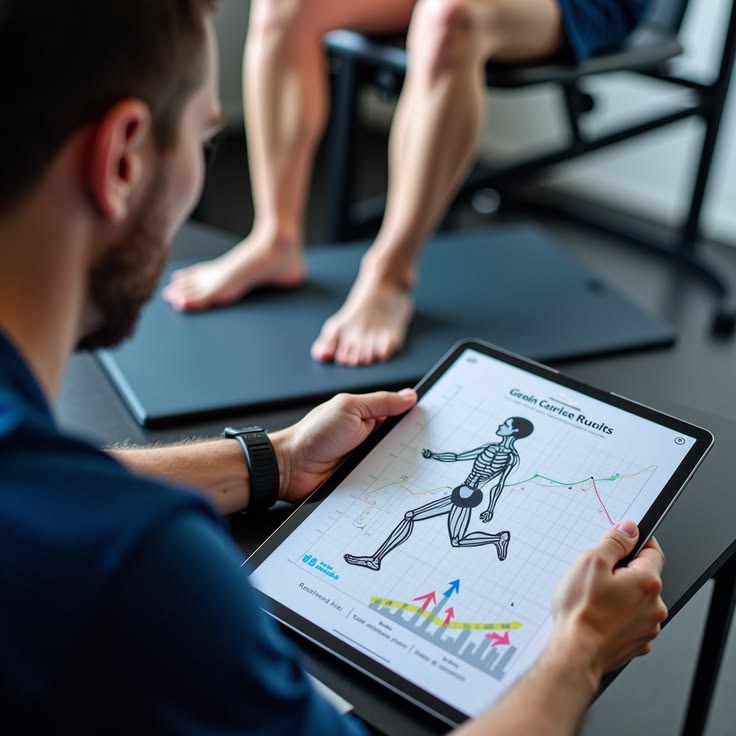
Recovery is a journey, not a destination. Whether you’re bouncing back from an injury, surgery, or chronic illness, the path can often feel overwhelming. That’s where clinical exercise comes into play. It’s more than just physical activity; it’s a tailored approach designed to support your healing process and help you reclaim your strength.
Imagine engaging in movement that not only fosters recovery but also boosts your confidence and well-being. Clinical exercise programs are crafted by professionals who understand the science behind rehabilitation. They consider individual needs and create personalized plans to get you on track.
In this blog post, we’ll explore how clinical exercise aligns with various recovery goals and why it might be the missing piece in your plan for wellness. Let’s dive deeper into what makes these programs effective and how they can transform your recovery experience!
Understanding Recovery Goals
Recovery goals are essential for anyone on a healing journey. clinical exercise guide provide direction and clarity, allowing individuals to focus their efforts effectively.
These goals can vary widely depending on personal circumstances. Some may aim for physical strength after an injury, while others seek emotional well-being following trauma. Understanding what you want to achieve is the first step toward successful recovery.
Setting specific and measurable objectives makes progress easier to track. For example, rather than simply aiming to “feel better,” one might target running a certain distance or participating in social activities again.
It’s important that these goals remain realistic and adaptable. As recovery progresses, needs may change, requiring adjustments in approach or timelines. Keeping flexibility ensures that individuals stay motivated throughout their journey.

Benefits of Clinical Exercise for Recovery
Clinical exercise plays a pivotal role in the recovery process. It helps individuals regain strength and improve mobility after injury or illness. Tailored programs address specific needs, ensuring that every movement is purposeful.
Engaging in clinical exercise can also boost mental well-being. Physical activity releases endorphins, which enhance mood and reduce anxiety. This emotional uplift often fosters resilience during challenging recovery phases.
Moreover, monitored sessions provide accountability. Working with professionals ensures exercises are performed safely and effectively, minimizing risks of re-injury. This guidance instills confidence as patients progress at their own pace.
Social interaction during group sessions can combat feelings of isolation. Sharing experiences with others on similar journeys creates a sense of community that enriches the overall healing experience.
Types of Clinical Exercise Programs Available
Clinical exercise programs come in various forms, each tailored to meet specific recovery needs.
Physical therapy is often the cornerstone of rehabilitation. It focuses on restoring mobility and strength after injury or surgery. Therapists design personalized routines that ensure safe progression.
Another popular type is cardiac rehabilitation, essential for those recovering from heart issues. This program combines monitored physical activity with education about lifestyle changes, aiming to enhance cardiovascular health.
For individuals dealing with chronic illnesses like diabetes or arthritis, specialized exercise regimens help manage symptoms and improve overall well-being. These programs emphasize gentle movements that promote endurance without overexertion.
Group classes also play a vital role in fostering motivation and community support among participants. They encourage a sense of belonging while engaging in structured workouts led by trained professionals.
Each program serves as a stepping stone toward improved health, adapting to individual capabilities and goals along the way.
Incorporating Clinical Exercise into a Recovery Plan
Incorporating clinical exercise into a recovery plan can be transformative. It’s essential to work closely with healthcare professionals who understand your unique needs and goals. They can guide you in selecting the right exercises that align with your recovery objectives.
Start by assessing your current fitness level and any limitations you may have. This assessment is crucial for tailoring a program that is both safe and effective. Gradually introduce clinical exercise, focusing on building strength, flexibility, and endurance over time.
Consistency is key when integrating clinical exercise into your routine. Aim for regular sessions while allowing adequate rest days to let your body recover properly. Tracking progress can also keep you motivated; noting improvements along the way reinforces how far you’ve come.
Additionally, consider pairing clinical exercise with other therapeutic modalities such as nutrition counseling or mental health support. A holistic approach often yields the best results in recovery settings.
Remember that every individual’s journey is different, so patience is necessary throughout this process. Embracing clinical exercise not only aids physical healing but also contributes positively to mental well-being during challenging times. Your path to recovery becomes more manageable—and even enjoyable—when movement plays an active role in it.