


Hair loss can develop gradually or appear suddenly, making it important to recognise changes in hair density, texture, and scalp health. Some people notice a widening parting, a receding hairline, thinning around the crown, or an increase in hair shedding during washing and brushing. Others may develop small patches of baldness or experience changes in the condition of their scalp. Although losing some hair each day is a normal part of the hair growth cycle, persistent or unusual shedding may indicate an underlying issue that requires professional attention.
Several factors can contribute to hair loss, including hereditary conditions, hormonal changes, nutritional deficiencies, physical or emotional stress, certain medications, and medical or scalp disorders. For example, temporary shedding may occur after an illness, significant weight loss, or a stressful event, while hereditary pattern hair loss typically develops progressively over time. These conditions can have different causes and may respond to different treatments, which is why identifying the pattern and duration of hair loss is an important starting point.
Early recognition allows individuals to seek advice before making decisions about commercial hair products or more invasive procedures. It is helpful to observe when the problem began, whether the shedding is continuous, and whether other symptoms such as itching, redness, tenderness, or scaling are present. Sudden hair loss, rapidly developing bald patches, or hair loss accompanied by scalp inflammation should be assessed promptly by a healthcare professional. Understanding these early signs helps establish a clearer picture of the problem and prepares you for a more productive consultation.
Completing a Comprehensive Hair Loss Assessment
A professional hair loss assessment is designed to identify the likely cause of thinning and determine which treatment options may be appropriate. follicleclinics.com.au provides information about hair restoration and related treatment options. A dermatologist or suitably qualified medical professional will generally begin by reviewing your medical history, family history, lifestyle, medications, and previous hair treatments. Questions about recent illnesses, dietary changes, stress, hormonal changes, and the duration of shedding can provide valuable clues. The specialist may also examine the scalp and hair to assess density, the distribution of thinning, and signs of inflammation or damage.
Depending on the findings, further investigations may be recommended. These could include blood tests to investigate suspected nutritional deficiencies, thyroid problems, or other medical contributors. A closer scalp examination or additional diagnostic procedures may be useful when the cause is uncertain. Not everyone requires extensive testing; the investigations should be guided by the individual’s symptoms and clinical findings. This helps avoid unnecessary procedures while ensuring that relevant underlying conditions are not overlooked.
The assessment also provides an opportunity to discuss personal concerns and desired outcomes. Some individuals want to slow progressive thinning, while others hope to improve overall density or address a receding hairline. A responsible professional will explain what can realistically be achieved and whether the priority should be treating an underlying condition, supporting regrowth, or considering hair restoration procedures. Establishing a clear diagnosis before beginning treatment can reduce unnecessary spending and create a more focused plan based on individual needs.
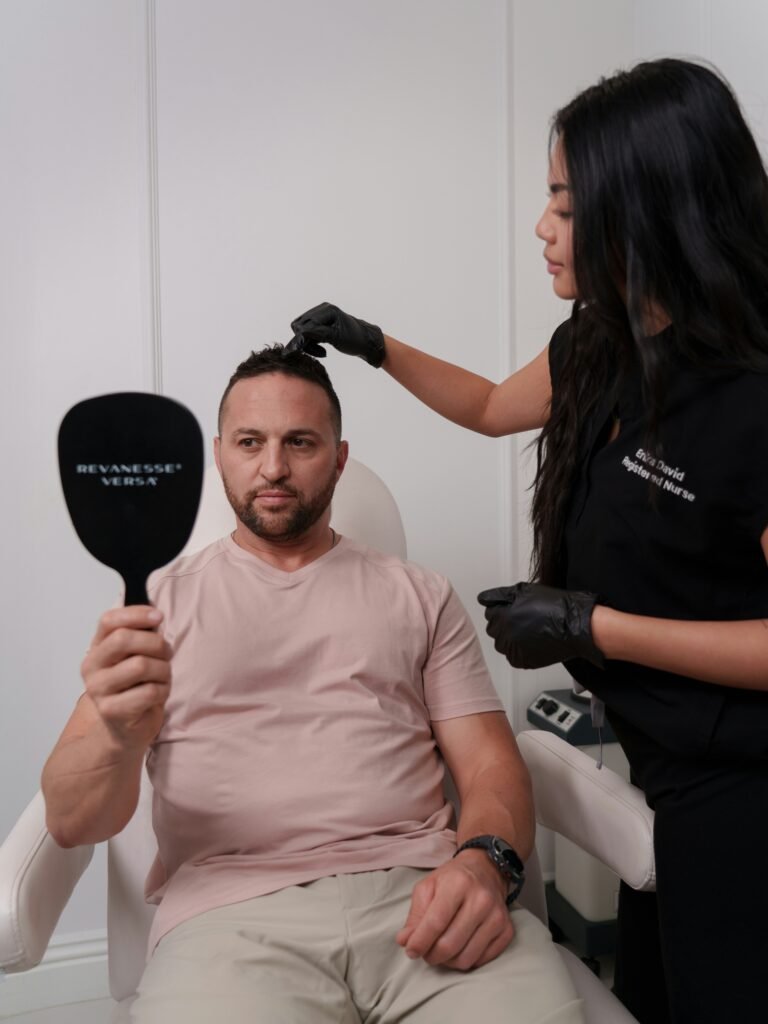
Exploring Suitable Hair Loss Treatment Options
Once the likely cause of hair loss has been identified, the next step is to explore treatments that are appropriate for the condition. There is no single solution that works for everyone, as treatment effectiveness depends on the type of hair loss, its severity, the person’s medical history, and other individual factors. Some conditions improve when the underlying cause is addressed, while hereditary hair loss may require ongoing management. A qualified professional can explain the available approaches, including their expected benefits, limitations, costs, and possible side effects.
For certain types of hereditary pattern hair loss, treatments such as topical minoxidil or selected prescription medications may be considered. The suitability of these options varies, and some medications are not appropriate for everyone. A healthcare professional can explain how to use them safely, what results may be expected, and whether continued treatment is needed to maintain improvements. If hair loss is linked to a medical condition or a confirmed nutritional deficiency, treating that problem may be an important part of the management plan. Medication should not be started solely on the basis of online advice or without considering possible contraindications.
Other options may include platelet-rich plasma therapy, low-level light therapy, or hair transplantation, depending on the diagnosis and available evidence. Results from non-surgical therapies can vary, and their benefits should not be overstated. Hair transplantation may be suitable for selected individuals with sufficient donor hair, but it requires careful assessment of scalp condition, current hair loss, and possible future thinning. A transplant redistributes existing follicles rather than creating new ones, so realistic expectations and long-term planning are essential. Comparing appropriate options with a qualified specialist helps ensure that the chosen treatment is practical, evidence-informed, and aligned with personal goals.
Preparing for Treatment and Understanding the Timeline
Preparing for hair loss treatment involves understanding the steps required before, during, and after the chosen approach. For non-surgical treatments, preparation may include reviewing medications, discussing medical conditions, establishing a consistent routine, and arranging follow-up appointments. It is important to understand the instructions provided by the healthcare professional and to ask questions about application, dosage, potential side effects, and when to seek further advice. Consistency is often important because changes in hair growth generally take time, and results may not be immediately visible.
Individuals considering hair transplantation may need a more detailed consultation and treatment plan. The specialist should evaluate the donor area, discuss the proposed hairline and distribution of grafts, explain the procedure, and review possible risks. Patients should receive clear preoperative and postoperative instructions, including guidance about scalp care, activity restrictions, medication, and follow-up visits. It is also important to understand the total cost and clarify which services are included in the treatment package. A clinic should provide sufficient time for informed decision-making rather than pressuring patients to book surgery immediately.
Monitoring Results and Maintaining Long-Term Hair Health
Monitoring progress is an essential part of the journey from assessment to treatment. Hair restoration rarely produces immediate changes, so regular reviews help determine whether the selected approach is working as expected. A healthcare professional may assess scalp condition, hair density, changes in shedding, and any side effects. Photographs taken under consistent lighting and from similar angles can help document changes over time. These comparisons are often more useful than relying on daily observations, which may not reveal gradual improvements clearly.
If the expected results do not occur, the treatment plan may need to be reviewed. Possible explanations include an incorrect or incomplete diagnosis, inconsistent treatment use, insufficient time for results to develop, or continued progression of the underlying condition. A specialist can determine whether further investigation, a change in treatment, or a different management strategy is appropriate. Patients should report troublesome side effects, worsening hair loss, or new scalp symptoms rather than independently increasing doses or combining multiple products. Open communication helps ensure that treatment remains safe and suitable as circumstances change.