
Selecting suitable excavation equipment is one of the most important steps in improving construction efficiency. Groundwork projects often involve removing soil, clearing debris, digging foundations, and preparing areas for drainage systems or underground utilities. The type of machinery required depends on the size of the site, soil conditions, excavation depth, access restrictions, and the overall scope of the project. Choosing equipment that matches these requirements helps contractors complete tasks more efficiently while avoiding unnecessary delays and operating costs.
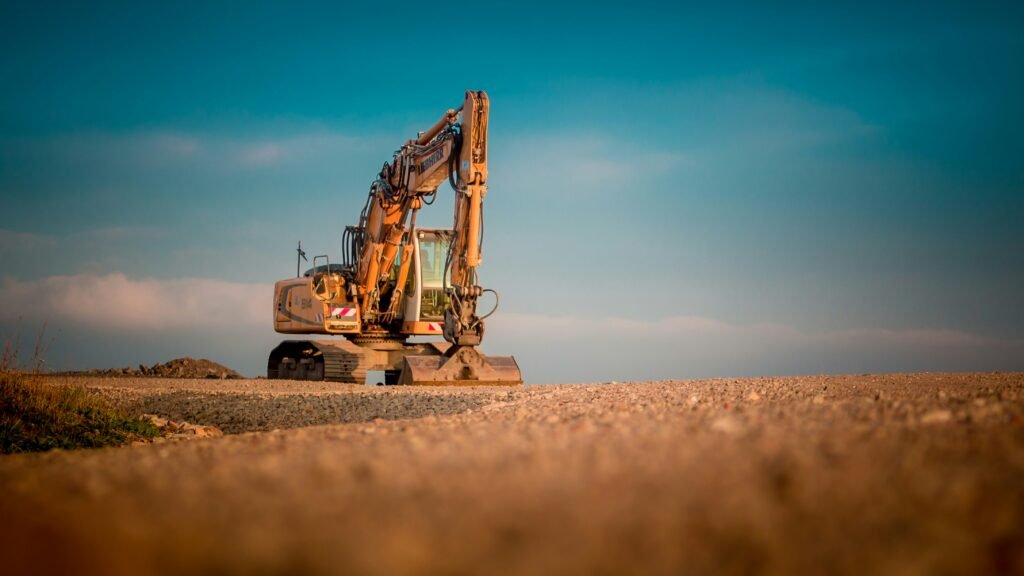
Excavators are widely used for large-scale digging and earthmoving, while mini excavators are particularly useful on residential sites and in confined spaces. Backhoe loaders offer versatility by combining digging and loading capabilities in a single machine, making them suitable for a variety of groundwork activities. Before selecting equipment, contractors should assess site access, ground stability, lifting requirements, and the amount of material that needs to be moved. Using machinery that is too small may increase working time, while oversized equipment can create access difficulties and unnecessary fuel expenses. Careful equipment selection supports a smoother workflow, improves productivity, and helps construction teams meet project deadlines.
Use Efficient Earthmoving Equipment to Improve Material Handling
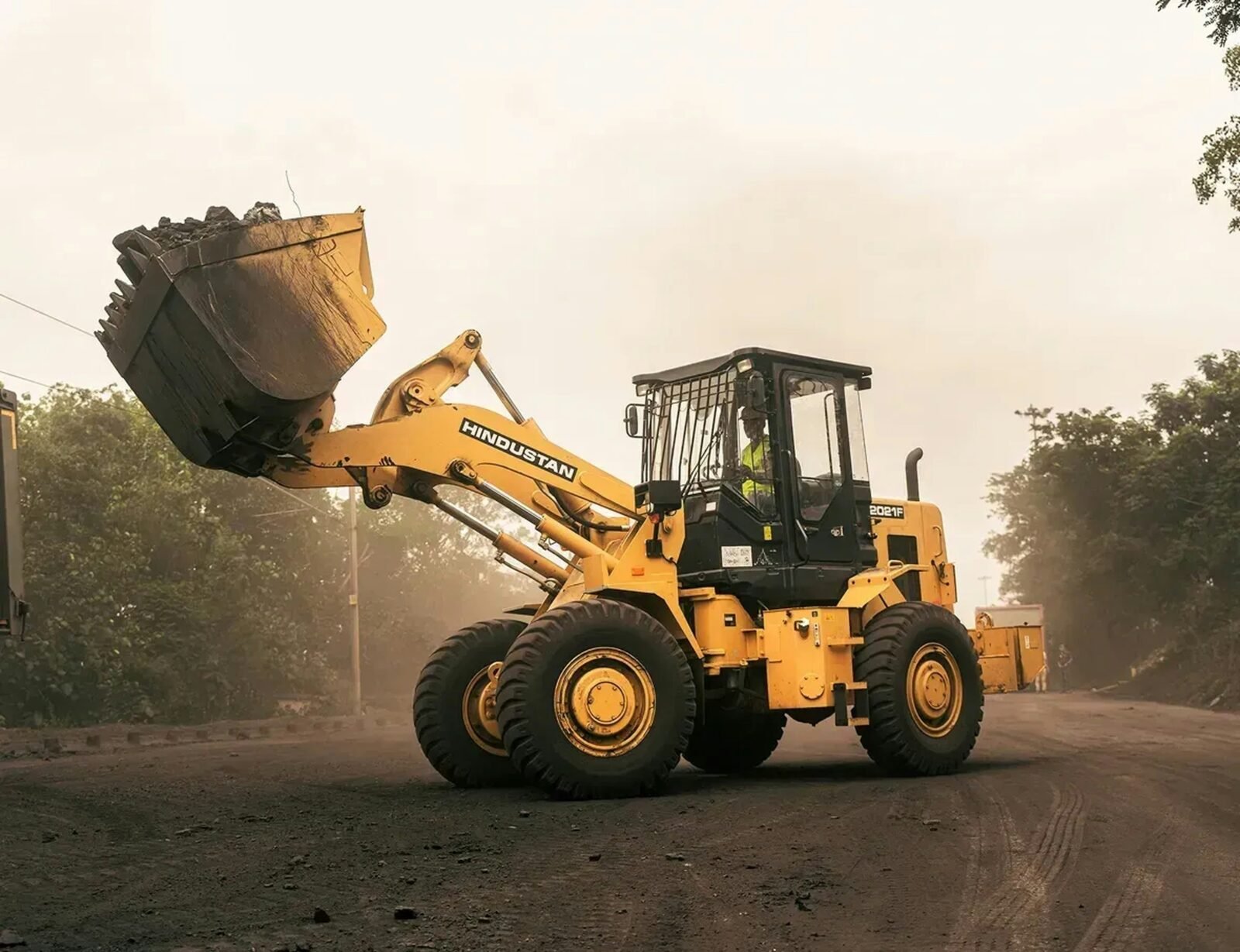
Earthmoving and material handling are essential parts of groundwork, particularly when preparing building foundations, levelling land, and transporting excavated soil. sunstate pipelines offers equipment solutions that can support a range of groundwork and excavation requirements. The right equipment allows construction teams to move materials efficiently between excavation areas, temporary stockpiles, and designated disposal or filling locations. Without an effective material handling plan, machinery may spend unnecessary time travelling, waiting for other equipment, or repeating the same movements. Coordinating earthmoving operations can therefore make a significant difference to overall site productivity.
Dump trucks, articulated haulers, wheel loaders, and suitable excavators can help manage different stages of material movement. Wheel loaders are useful for collecting and transferring loose materials, while dump trucks transport larger quantities of soil and aggregate around or away from the site. Contractors should consider loading capacity, travel distances, ground conditions, and access routes when planning these operations. Establishing clear traffic routes and coordinating loading activities can reduce congestion and unnecessary machine movement. It is also important to ensure that vehicles are not overloaded and that materials are transported safely. By matching equipment capacity to project requirements, construction teams can improve material flow, reduce wasted time, and maintain a more organised working environment.
Improve Ground Preparation With Compaction and Levelling Equipment
Proper ground preparation is essential for creating stable foundations, roads, driveways, and other construction surfaces. Soil that has not been prepared or compacted correctly can settle unevenly, potentially leading to cracks, surface damage, drainage problems, or structural issues. Using suitable compaction and levelling equipment helps construction teams achieve the ground conditions required by the project’s design specifications. The appropriate method depends on soil type, moisture content, layer thickness, and the intended use of the finished surface.
Vibratory rollers are commonly used to compact larger areas, while plate compactors and rammers are useful for smaller spaces, trenches, and areas around structures. Graders and other levelling equipment help create consistent surface levels and establish the required slopes for drainage. However, compaction is not simply a matter of operating machinery over the same area repeatedly. Contractors must follow the project’s geotechnical requirements and use appropriate testing methods to confirm that the specified density and stability have been achieved. Moisture conditions and the thickness of each soil layer can significantly affect the final result. Careful ground preparation reduces the likelihood of future settlement, supports construction quality, and helps prevent expensive remedial work.
Reduce Downtime Through Equipment Maintenance and Operator Training
Even the most capable groundwork machinery cannot deliver consistent results if it is poorly maintained or operated incorrectly. Unexpected breakdowns can interrupt excavation, delay deliveries, and prevent other trades from starting their work on schedule. A proactive maintenance programme helps identify potential problems before they lead to major equipment failures. Routine inspections should cover essential components such as hydraulic systems, tyres or tracks, engine fluids, filters, brakes, warning devices, and attachments. Maintenance should always follow the manufacturer’s recommendations and be carried out by appropriately qualified personnel.
Operator training is equally important for improving construction efficiency. Skilled operators can use machinery more precisely, avoid unnecessary movements, and complete tasks with greater consistency. They also need to understand site hazards, equipment limitations, safe working distances, and the correct procedures for operating attachments. Pre-start inspections, clear communication between workers, and reliable defect-reporting systems help maintain safe and productive operations. Contractors can further reduce downtime by planning equipment servicing around project schedules and arranging access to essential replacement parts. Monitoring machine utilisation and fuel consumption may also reveal opportunities to improve performance. Combining regular maintenance with competent operation helps extend equipment life, control costs, and keep groundwork activities running smoothly.
Coordinate Groundwork Operations With Effective Site Planning
The benefits of suitable groundwork equipment are greatest when machinery, workers, materials, and schedules are properly coordinated. Construction sites often involve several activities taking place in close succession, including site clearance, excavation, drainage installation, soil replacement, compaction, and foundation preparation. Delays in one operation can affect the entire project if the next team cannot begin work on time. Effective site planning helps contractors arrange these activities in a logical sequence and ensure that the necessary equipment is available when required.
Before work begins, project managers should assess site access, soil conditions, underground services, environmental restrictions, and the location of material storage areas. A clear site layout can reduce unnecessary machine travel and help prevent conflicts between vehicles, equipment, and pedestrians. Scheduling deliveries and excavation activities carefully can also reduce waiting time and improve the use of available machinery. Where practical, project teams can monitor progress, equipment hours, fuel use, and completed quantities to identify bottlenecks and adjust their plans. Safety must remain a priority throughout the process, including the use of designated traffic routes, suitable barriers, trained operators, and appropriate controls around excavations. By combining the right groundwork equipment with effective coordination, regular monitoring, and careful planning, contractors can improve productivity, control operating costs, and deliver higher-quality construction projects.