
Marble has remained admired for many years because people feel respect and trust toward this stone. In Australian homes, people choose marble benchtops to create a feeling of pride in kitchens, bathrooms, and outdoor entertainment areas. Veining patterns and tone changes help marble stand apart and lift the design level of a space. Even with a strong appeal, you need to understand the advantages and disadvantages before deciding if marble fits your home. Outside appearance, factors like durability, maintenance, and cost influence whether marble matches your daily living needs.
In cities like Sydney and Melbourne, many homeowners and designers choose marble to reach a finish linked to status. The demand for benchtops Sydney shows an increase in interest in stone surfaces from nature that bring appearance and use. However, marble has challenges, and those who consider it should compare the benefits against the drawbacks now. Knowing how to care for marble using steps can change performance over time and keep the value and charm in the home.
The Appeal of Marble Benchtops
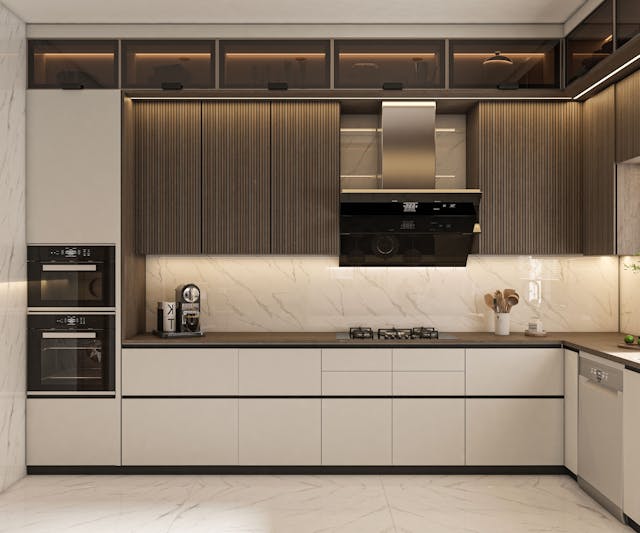
Many homeowners choose marble because its appearance creates interest and brings a sense of pride. Marble forms as stone over thousands of years, and each slab exists as one of a kind. Veining, colour variation, and pattern lines form a surface that engineered materials cannot copy. This difference ensures no two benchtops match, giving your kitchen or bathroom its own identity. Across Australia, marble links with prestige properties and renovation projects, leading many people to choose it. The stone surface stays cool, helping baking fans roll dough and handle pastry with control.
The Upsides of Choosing Marble
Marble has a lot going for it beyond just its breathtaking looks. For starters, it’s a seriously durable material. If you take care of it, it will last for decades with ease. Plus, its natural heat resistance makes it perfect for kitchens where hot pans and pots are a regular occurrence. Marble also has a timeless, classic quality that ensures it never goes out of style, unlike some synthetic materials that can look dated after a few years. If you are after something sustainable, marble is the way to go. It’s a natural product that does not rely on any dodgy chemical processes to be made. The increased property value it brings is another bonus. Potential buyers love marble surfaces and see them as a premium feature in a home. In Australian homes, marble pairs really well with other natural materials like timber or stone tiles, creating a cohesive look that feels organic and real.
The Downside Things to Consider
Of course, like any material, marble has its downsides. One of the biggest concerns is its propensity to stain. Since marble is a porous stone, it can soak up liquids like wine, coffee, or oil if you do not clean up spills quickly enough and that can leave some seriously permanent marks. Another thing to watch out for is how it scratches and etches when it comes into contact with acidic stuff like lemon juice or vinegar. If you have a big household with kids, keeping a flawless marble surface looking great can be a real challenge. On top of that, it’s not exactly cheap; marble tends to be pricier than alternatives like engineered stone or laminate.
Tips for Making Marble Last
The key to keeping marble looking its absolute best is to give it some proper TLC. One of the best things you can do is get it sealed, which will help protect it from stains and moisture. In Australia, a lot of people get their marble sealed every year or so, depending on how much use it gets and what type of marble they have. On a daily basis, just use a soft cloth and a mild, pH-neutral cleaner to keep it clean. Do not even think about using anything abrasive, or you will be damaging the surface in no time.